
The Fascinating History Behind Sushi Nigiri's Simple Elegance
Editorial Team
VerifiedSenior Correspondent
The Fascinating History Behind Sushi Nigiri's Simple Elegance
From humble Edo-era street food to a global culinary icon, nigiri sushi reveals a tale of tradition and innovation.
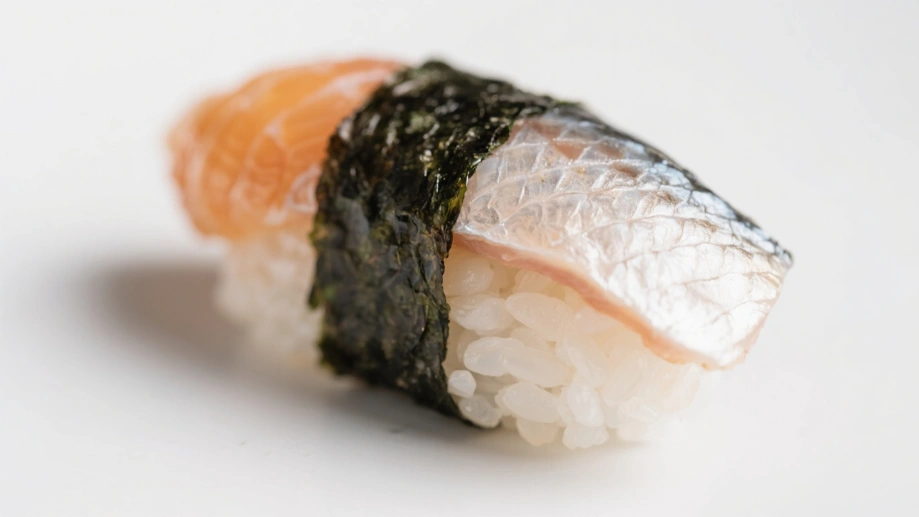
Nigiri sushi, at first glance, seems deceptively straightforward: a mound of vinegared rice topped with a slice of fresh fish. Yet beneath its minimalist appearance lies an art form honed over centuries, one that embodies the Japanese philosophy of "less is more." This dish, comprising just two core ingredients, demands precision and reverence for nature's bounty. Interestingly, many assume sushi is merely raw fish, but nigiri elevates the pairing to a sensory experience. For instance, the rice isn't an afterthought; it acts as a seasoned base that complements the seafood's texture. As you bite into a piece, flavors unfold like a story—salty, sweet, and umami notes dancing together, revealing why nigiri has captivated palates worldwide. However, this simplicity masks a deeper journey, rooted in Japan's cultural evolution. Transitioning from this introduction, the historical origins highlight how necessity sparked creativity.
Tracing back to Tokyo's bustling streets in the 19th century, nigiri emerged as a quick, affordable meal for workers during the Edo period. At that time, fermented fish preserved in rice was common, but innovators sought faster alternatives. Consequently, chefs began pressing fresh fish onto vinegared rice balls for immediate consumption, thus birthing the modern nigiri. This shift wasn't accidental; it reflected urbanization trends and resourcefulness. For example, tuna slices became popular due to Edo's proximity to fishing ports, while the rice itself was infused with sweetness to balance pungent flavors. Surprisingly, nigiri was initially sold from mobile stalls, not high-end establishments, making it accessible to all classes. This democratization led to widespread experimentation; various seafood like salmon and eel were introduced, showcasing seasonal ingredients. Moreover, the practice emphasized hygiene and speed, as vendors handled fish swiftly to retain freshness, demonstrating how practicality fueled culinary refinement. Building on this foundation, the technical mastery involved transforms the dish into an edible masterpiece.
The preparation of nigiri is a meticulous craft, where chefs undergo years of training to perfect hand movements and ingredient selection. Each step, from washing rice grains to slicing fish at precise angles, requires undivided attention. For instance, rice must be cooked with a specific ratio of vinegar, sugar, and salt to achieve the ideal stickiness; too loose, and it crumbles, too tight, and it overpowers the fish. Similarly, the fish slicing is an art in itself, as thinner cuts enhance tenderness while retaining oceanic essence. Furthermore, forming the rice mound—often shaped with fingers to create a slight indentation—allows the topping to adhere naturally without artificial binders. This physical interaction highlights the chef's intuition, transforming raw materials into cohesive bites. Additionally, variations have evolved, such as adding wasabi between layers for a subtle heat that cleanses the palate. Indeed, a well-crafted nigiri feels balanced: the cool fish against warm rice, the soft rice yielding to firm flesh. Such detail not only appeals to taste but also honors traditions, with masters passing down techniques through generations. Progressing to contemporary times, these skills have propelled nigiri onto the international stage.
Today, nigiri sushi transcends Japanese borders, celebrated for its health benefits and cultural symbolism. Studies praise its lean protein and omega-3 fatty acids, positioning it as a nutritious alternative to heavier cuisines. Yet its global rise wasn't merely about taste; it reflected broader dietary shifts towards mindful eating, where simplicity equals wellness. Restaurants worldwide now source sustainably caught fish, adapting nigiri to local preferences without losing essence. Meanwhile, cultural appreciation fosters cross-border exchanges: foreign chefs train in Japan, bringing innovations like avocado or grilled toppings while respecting the core rice-and-fish harmony. Ultimately, nigiri remains a testament to timeless elegance, reminding us that innovation need not overshadow heritage. As more embrace mindful consumption, this centuries-old dish continues to unite people, proving that culinary art evolves through respect and refinement.