
The Enigmatic Elegance of French Foie Gras
Editorial Team
VerifiedSenior Correspondent
The Enigmatic Elegance of French Foie Gras
Exploring the centuries-old French culinary marvel that blends tradition, luxury, and sensory delight.
Foie gras, translating to "fat liver," stands as an emblem of French gastronomy, crafted from the carefully enlarged livers of geese or ducks. Its history dates back to ancient Egypt, refined by Roman artisans before flourishing in medieval France, where it became a symbol of opulence and artistry. Today, this delicacy represents the pinnacle of culinary expertise, cherished globally for its ability to transform simple ingredients into an exquisite experience that transcends borders. The process begins with ethical farming practices, emphasizing high-welfare standards, to produce livers rich in fat and flavor—a testament to time-honored techniques that prioritize sustainability. As we delve deeper, foie gras invites us into a world where tradition meets innovation, setting the stage for its intricate journey from farm to table.
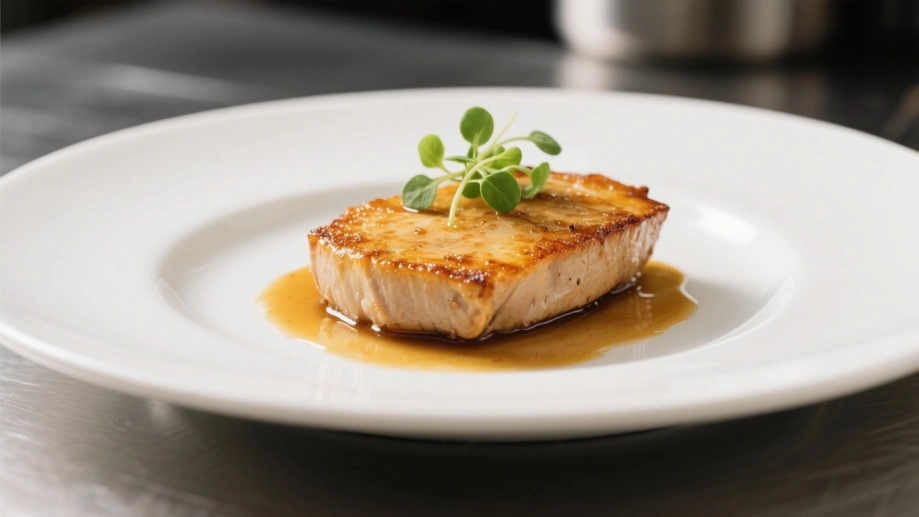
The transformation of raw liver into pan-seared foie gras involves a precise, multi-step process that demands skill and patience. After selecting livers from free-range geese or ducks raised on grain-rich diets, chefs gently clean and trim them to remove veins and imperfections. For pan-searing, the liver is sliced into medallions, seasoned lightly with salt and pepper, and then quickly cooked on a hot skillet with minimal oil—its natural fats rendering to create a crisp, golden crust while preserving a creamy, molten interior. This method, known as "sautéed foie gras," relies on high heat to caramelize the surface without overcooking, resulting in a harmonious balance of textures. Accompaniments like toasted brioche or fruit compotes are often introduced to cut through the richness, enhancing the dish's complexity. Through these steps, the artistry emerges not just in cooking but in honoring the ingredient's purity, ensuring each bite delivers a seamless fusion of indulgence and craftsmanship.
Indulging in pan-seared foie gras is a multisensory revelation that begins with its visual appeal—a radiant golden sheen promising indulgence—and unfolds through aroma and taste. When served, it releases an intoxicating bouquet of warm, nutty notes mingling with earthy undertones, evoking memories of autumn harvests. Upon tasting, the first bite yields a luscious, velvety texture that melts instantly on the tongue, releasing a symphony of flavors: rich buttery decadence tempered by subtle hints of sweet iron and umami depth. This sensory journey extends to pairings; tart fruit reductions, such as fig jam or apple chutney, provide a bright counterpoint, while a glass of Sauternes wine complements its richness with honeyed acidity, creating an elegant interplay. Eaten as an appetizer or in sophisticated mains, the experience is both intimate and communal, fostering appreciation for its role in celebratory dining, where it evokes joy and nostalgia, connecting global food lovers to France's culinary heritage.
Beyond its immediate pleasure, foie gras holds a pivotal place in cultural and contemporary contexts, reflecting both reverence and evolution. Rooted in French festivals like the Fête du Foie Gras, it symbolizes joie de vivre and is celebrated in bistros and Michelin-starred venues as a mark of refined hospitality. However, discussions on ethical sourcing have spurred advances, with chefs embracing humane production methods like slow-feeding techniques to ensure animal well-being and environmental responsibility. Modern interpretations incorporate sous-vide cooking or vegan alternatives, preserving its essence while broadening accessibility. This duality—honoring tradition while adapting to modern ethics—fuels its enduring appeal, inspiring global chefs to create fusion dishes that merge foie gras with local ingredients. In this way, it serves as a lens into culinary progress, reminding us that food not only satisfies the palate but also fosters dialogue, connection, and respect across diverse dining cultures.
In conclusion, the allure of French pan-seared foie gras lies in its remarkable ability to blend history, artistry, and indulgence into a singular culinary treasure. As diners savor each bite, they engage with centuries of expertise that elevate it beyond mere sustenance to a celebration of human ingenuity. Its evolution amidst ethical considerations underscores a commitment to responsible gastronomy, ensuring its legacy as a cherished delicacy that continues to enchant and evolve, enriching the global table with every golden slice.