
The Gilded Indulgence: Unveiling the Art of French Pan-Seared Foie Gras
Editorial Team
VerifiedSenior Correspondent
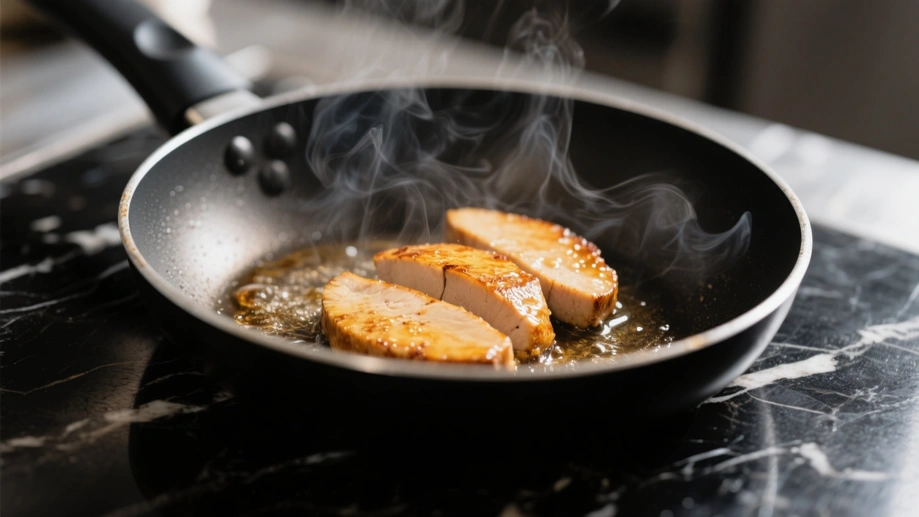
The Gilded Indulgence: Unveiling the Art of French Pan-Seared Foie Gras
A culinary symphony where luxury meets technique in the heart of French gastronomy.
Foie gras, the fattened liver of duck or goose, embodies centuries of French culinary tradition and polarizing indulgence. This delicacy, translating literally to "fat liver," achieves its distinctive texture through a controlled feeding process known as gavage, perfected over generations in regions like Périgord and Alsace. When transformed through pan-searing, it becomes a dish of profound contrasts – a crisp, caramelized exterior yielding to an impossibly velvety interior that dissolves like savory silk. Beyond mere sustenance, pan-seared foie gras represents a cultural artifact, challenging diners with ethical debates while enchanting them with unrivalled richness that has graced aristocratic tables since Roman times. Its very existence speaks to humanity's complex relationship with luxury, turning an organ into an edible gold standard.
The alchemy begins with selecting pristine, Grade A foie gras – pale, firm, and vein-free, typically from Mulard ducks. After a meticulous 24-hour refrigeration cure with fine sea salt and freshly cracked pepper, chefs deftly separate lobes using the warmth of their palms, removing sinews with surgical precision. The critical moment arrives in a scorching-hot, dry stainless steel pan. Slices, ideally 1-inch thick, meet the searing surface with an arresting sizzle, their natural fats rendering instantly. Cooked merely 60-90 seconds per side, the exterior transforms into a lacquered golden crust while the interior remains tremblingly tender. Mastery lies in balancing heat and timing; a moment too long reduces unctuousness to oily disappointment. The resulting aroma – nutty, deep, and hauntingly rich – perfumes kitchens with the essence of French opulence.
Classic accompaniments perform a delicate counterpoint to the foie gras' intensity. Tart fruit reductions cut through the unctuousness: port wine reductions simmered with blackberries, balsamic glazes kissed with figs, or quince paste balancing sweetness with sharpness. Textural contrasts emerge through toasted brioche points or pain d'épices, whose subtle spices provide grounding. Modern interpretations incorporate unexpected elements like salted caramel drizzle or passionfruit gelée, though purists argue these distract from the liver's purity. Presentation follows minimalist elegance – a single seared medallion centered on pristine white china, perhaps flanked by microgreens. The ritual involves slicing with a warmed knife to preserve the silken interior, ensuring each bite combines crisp shatter, molten richness, and bright acidity in harmonic perfection.
Understanding foie gras demands acknowledging its contentious legacy. Traditional production remains protected under French cultural heritage laws, yet faces fierce opposition from animal rights groups citing ethical concerns about force-feeding. Farmers counter with centuries-old husbandry techniques emphasizing animal welfare, including open-pen raising and stress minimization. The gastronomic community remains divided, with some Michelin-starred kitchens abandoning it while others champion artisanal producers. For diners, it presents a conscious choice: to partake in a controversial luxury or abstain on principle. Yet even critics concede its unique sensory impact – no plant-based substitute replicates its complex fat structure or melt-in-mouth magic. This ethical friction only heightens its mystique, transforming each bite into a multisensory experience laden with cultural and moral weight.
Ultimately, pan-seared foie gras transcends gustatory pleasure to symbolize culinary artistry confronting modernity. It epitomizes French paradox – indulgent yet refined, technically precise yet seemingly simple. Eating it becomes theater: the initial resistance of the crust, the flood of warm fat on the palate, the lingering sweetness countered by tannins in a Sauternes pairing. In an era of fleeting food trends, it remains stubbornly iconic – a testament to patience, craftsmanship, and humanity's eternal quest for transcendent flavor. To savor it is not merely to consume calories, but to taste history, controversy, and the very soul of haute cuisine. It stands as both relic and revolution, inviting us to contemplate the price of perfection on a plate.