
Is Your Bibimbap Bowl Actually Packed with Hidden Calories?
Editorial Team
VerifiedSenior Correspondent
Is Your Bibimbap Bowl Actually Packed with Hidden Calories?
Uncover the surprising truth behind this Korean favorite and learn how to dodge common pitfalls for a healthier meal.
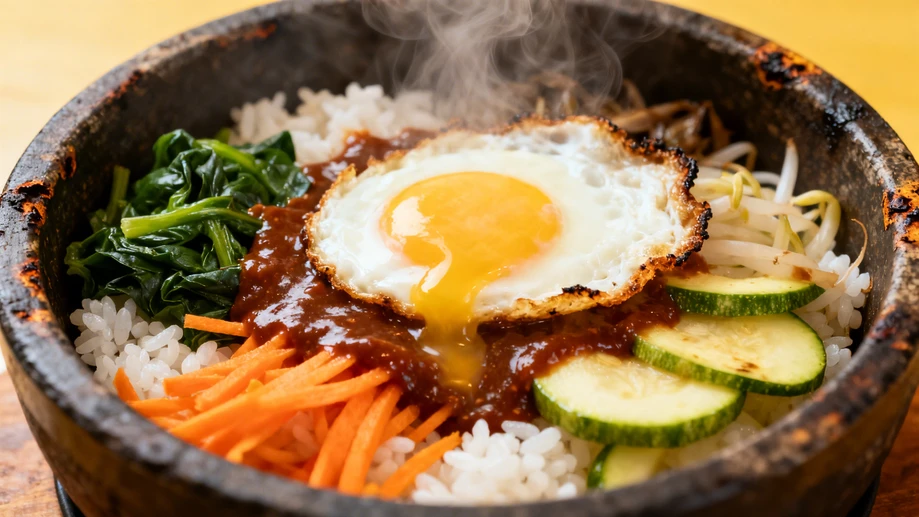
Picture this: you're at a cozy Korean restaurant after a long day, craving something wholesome and vibrant. You spot bibimbap on the menu—a colorful mix of rice, veggies, meat, and that iconic fried egg—and think, "This has to be healthy, right?" After all, it's loaded with fresh produce and lean protein, making it a go-to choice for health-conscious diners. But hold that spoon! Many of us fall into the trap of assuming bibimbap is always a nutritional win, only to overlook sneaky elements that can turn this dish into a calorie bomb. It's a classic case of food myths clouding our judgment, especially when we're hungry and eager for a quick fix. Let's dive into why this misconception is so widespread and how it plays out in everyday life, from casual lunches to dinner dates.
One major myth revolves around the sauce—often a rich, gochujang-based blend that adds that signature spicy kick. While it's delicious and seems harmless, a single tablespoon can pack up to 50 calories and 10 grams of sugar, depending on the recipe. In reality, restaurants might slather on extra to enhance flavor, turning your "healthy" bowl into something closer to dessert. Imagine digging into your bibimbap, savoring the heat, but unknowingly consuming as much sugar as a small candy bar. This isn't just about numbers; it's about how we perceive "natural" ingredients. Gochujang is fermented and full of probiotics, but when mixed with sweeteners or oils, it loses its health halo. Next time you order, watch how much sauce is added—or better yet, ask for it on the side to control the pour.
Another common oversight is the rice portion. Bibimbap typically features a generous bed of white rice, which can easily double the calorie count if not balanced. We often focus on the colorful toppings and forget that rice is a carb-heavy base, contributing to that post-meal slump. In a busy café setting, chefs might pile it high to make the dish more filling, but this can lead to overeating without realizing it. Think of it like building a salad but drowning it in croutons; the veggies are there, but the foundation tips the scales. This myth persists because rice is seen as a staple, not a villain, but in excess, it undermines the dish's potential benefits. To counter this, opt for brown rice or request half the portion—it's a simple tweak that keeps the meal light and energizing.
Despite these pitfalls, bibimbap can absolutely shine as a nutritious option when approached mindfully. The key is in the assembly: start with a base of mixed greens or quinoa instead of white rice, load up on rainbow veggies like spinach, carrots, and mushrooms for fiber and vitamins, and go easy on the sauce by using a light drizzle or homemade versions with less sugar. At home, try prepping your bowl with fresh, seasonal ingredients—it's cheaper and lets you avoid hidden additives. This shift not only busts the myths but also transforms bibimbap into a powerhouse of antioxidants and protein. Remember, it's not about avoiding the dish; it's about making smart choices that align with your health goals, turning a potential trap into a triumph.
In the end, bibimbap remains a beloved global comfort food for good reason—it's versatile, delicious, and packed with potential when we see past the misconceptions. By debunking these myths, you empower yourself to enjoy it guilt-free, whether you're dining out or whipping it up in your kitchen. So next time you're faced with that sizzling stone pot, take a moment to customize it wisely. Your body will thank you, and you'll savor every bite knowing you've turned a common oversight into a healthy habit. After all, food should be fun and nourishing, not full of surprises.