
Is Your Stone Pot Too Hot? The Sizzling Secret to Perfect Bibimbap Crust
Editorial Team
VerifiedSenior Correspondent
Is Your Stone Pot Too Hot? The Sizzling Secret to Perfect Bibimbap Crust
Master the art of temperature control to transform your Korean mixed rice from soggy to spectacular in minutes.
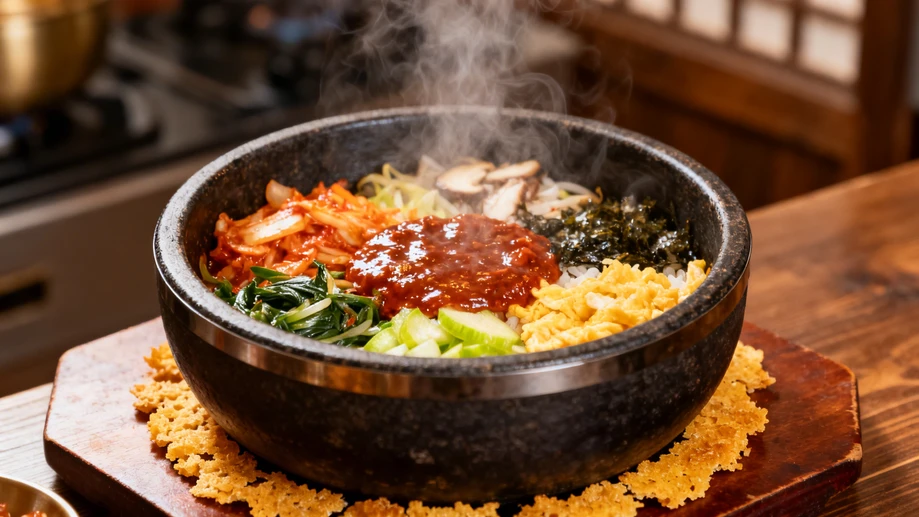
That iconic sizzle when the server places the dolsot before you isn't just for dramatic effect; it's the sound of culinary chemistry at work. The intensely heated stone bowl, traditionally made from granite or agalmatolite, is the engine behind bibimbap's signature textural masterpiece: the crispy, golden-brown rice crust known as nurungji. But here's the catch many home cooks miss: achieving that perfect crunch without incinerating your ingredients hinges entirely on understanding the stone pot's temperature dance. Too cold, and you get soggy disappointment; too hot, and you're left with charred bitterness instead of nutty delight.
Contrary to the popular belief that cranking the heat to maximum yields the best crust, the magic actually happens within a surprisingly specific range. Science steps in here: the Maillard reaction – that beautiful browning process creating complex, savory flavors – thrives ideally between 140°C to 165°C (284°F to 329°F). Exceeding this range pushes the reaction towards pyrolysis, essentially burning the carbohydrates in the rice and vegetables, resulting in acrid flavors and an overly tough, potentially bitter crust. The perfect nurungji is a harmonious balance of caramelization and gentle crisping, achieved when the pot's base temperature is just right to dehydrate the bottom layer of rice while coaxing out its natural sugars.
So, how do you hit this sweet spot without a kitchen thermometer? Experience offers practical clues. If you're heating an empty pot on the stovetop, aim for a point where a few drops of water flicked onto the surface skitter and evaporate almost instantly, but don't violently explode. This usually indicates a surface temperature around the target zone. Preheating in an oven at around 200°C (392°F) for 15-20 minutes often achieves a more even base heat than direct stovetop flame, which can create dangerous hot spots. Crucially, once the hot stone pot is filled with room-temperature rice and toppings, the overall temperature plummets. This is intentional and necessary! The residual heat is what slowly works its magic on the rice layer touching the stone, crisping it over the next 5-10 minutes as you mix and eat.
Now, the golden question: should you add oil? The answer is a resounding yes, but timing and quantity are key. Brushing a thin layer of sesame oil or a neutral oil onto the *preheated* stone pot's interior, just *before* adding the rice, creates a non-stick barrier and significantly enhances heat transfer. This thin layer also helps conduct heat evenly, promoting that coveted, lacy golden crust rather than sporadic, burnt patches. Pouring oil onto cold stone or drowning the pot in oil, however, leads to greasy, soggy results or even smoking and burning the oil before the rice can crisp. A teaspoon or less, swirled quickly in the hot pot, is the pro move.
Mastering this thermal tango transforms the humble stone pot from a mere vessel into the star performer. It unlocks the hidden textural dimension – the satisfying crunch that contrasts beautifully with the tender vegetables, savory protein, creamy egg yolk, and spicy gochujang. That perfect layer of nurungji isn't just tasty; it's edible proof you've harnessed the ancient heat of stone. Listen for the gentle sizzle, not the furious roar, and you'll find your crispy treasure waiting patiently at the bottom.