
Is Your Bibimbap Missing Its Sizzling Secret?
Editorial Team
VerifiedSenior Correspondent
Is Your Bibimbap Missing Its Sizzling Secret?
The Untold Technique That Transforms Stone Bowl Rice from Lukewarm to Legendary
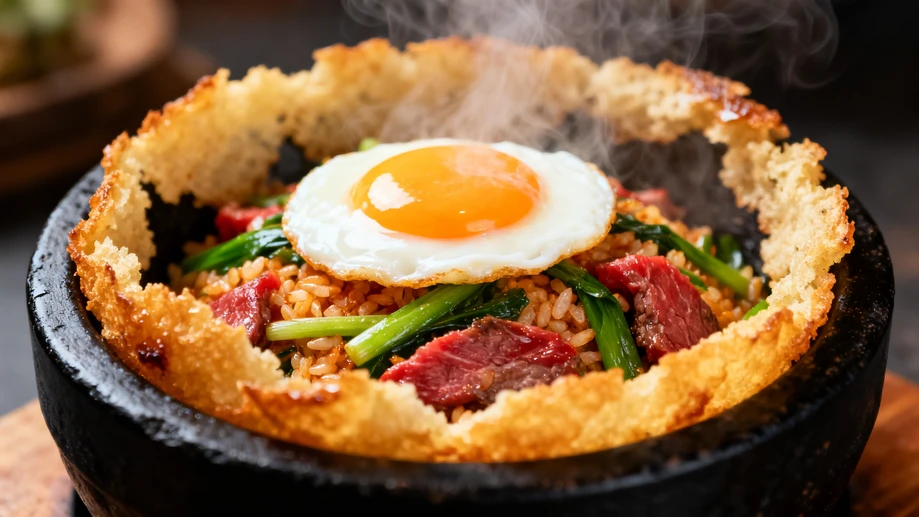
You've ordered the sizzling stone bowl, eagerly anticipating the crackling symphony of rice meeting hot stone. But when it arrives, the sound is disappointingly brief, fading into a quiet whimper. The vibrant colors of julienned vegetables, marinated beef, and that glorious sunny-side-up egg sit atop... lukewarm rice. Where's the promised magic? Where's the legendary crispy layer? The culprit isn't the chef's haste, but often a simple, overlooked step in the ritual of enjoying bibimbap.
Many dive straight into the mixing, excited to combine the beautiful ingredients into a unified feast. They stir vigorously, coating every grain of rice with spicy gochujang and sesame oil. While this creates delicious harmony, it tragically sacrifices the potential crown jewel: the scorched rice crust at the bottom, known as 'nurungji'. This golden, crackling layer isn't just a happy accident; it's the soul of an exceptional bibimbap experience, transforming texture and deepening flavor.
Creating perfect nurungji demands a brief moment of patience. Resist the immediate urge to stir! Instead, focus that initial excitement on the periphery. Use your spoon to gently press the rice mixture firmly against the incredibly hot walls of the stone bowl. Hold it there for 10-15 seconds. Listen for the satisfying, persistent sizzle – the sound of rice caramelizing and dehydrating against the searing stone. Rotate the bowl slightly, pressing another section. This isn't passive waiting; it's active sculpting.
This pressing technique works because it maximizes surface contact. The intense, direct heat (often exceeding 200°C/400°F when properly pre-heated) rapidly dehydrates the thin layer of rice pressed against the stone. The starches and sugars in the rice undergo the Maillard reaction – that beautiful alchemy responsible for the deep, savory, nutty flavors and golden-brown color of seared meats or toasted bread. Friction from the pressing also helps create texture. Think of it as toasting the rice directly on the bowl.
After you've patiently created several patches of golden crust around the sides and bottom, it's finally mixing time! But incorporate those crispy treasures strategically. Gently scrape them off the sides and fold them into the center mix. As you stir, you'll hear the delightful crunch of the nurungji breaking up, adding textural fireworks to every bite. The contrast between the creamy yolk, tender vegetables, savory protein, soft rice, and crispy shards of toasted rice is nothing short of revelatory – turning a good dish into an unforgettable sensory adventure.
So, the next time that steaming stone bowl arrives at your table, buzzing with potential, take a breath. Forget instant mixing. Embrace the press. Your dedication will be rewarded with audible crackles, visible golden patches, and bites filled with an addictive, complex crunch. That elusive sizzle isn't just sound; it's the audible signature of a perfectly executed technique, promising a truly legendary bibimbap moment. The magic isn't lost; it's just waiting for the right touch.