
5 Myths About Bibimbap That Could Ruin Your Meal
Editorial Team
VerifiedSenior Correspondent
5 Myths About Bibimbap That Could Ruin Your Meal
Discover the surprising truths behind common misconceptions to savor this Korean dish perfectly every time.
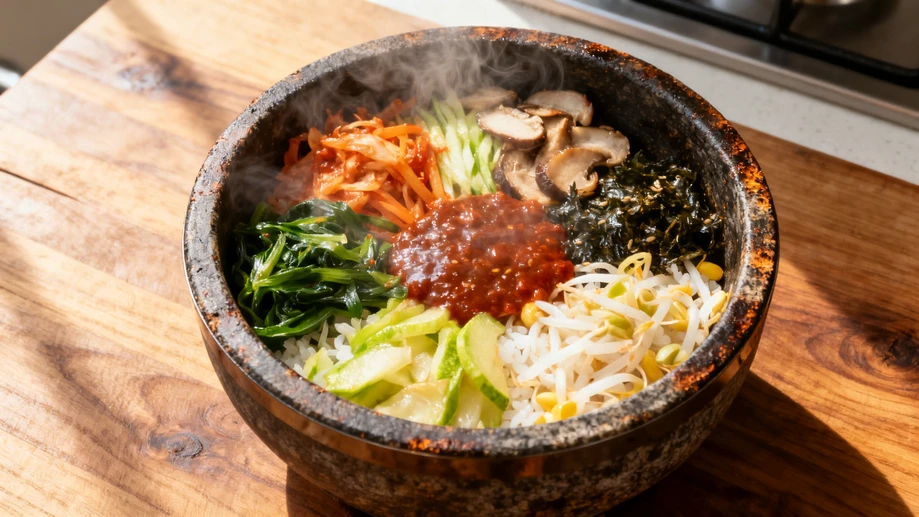
You're probably familiar with bibimbap—that vibrant bowl of rice, veggies, meat, and a fried egg, all mixed together with spicy gochujang sauce. But if you've ever ended up with a soggy mess or felt guilty about its healthiness, you might be falling for some widespread myths. In reality, many home cooks and even restaurant-goers make simple errors that turn this delightful dish into a disappointment. Let's dive into the top five misconceptions that could be sabotaging your bibimbap experience, starting with the biggest one: the belief that it must always be served piping hot in a stone bowl. While the traditional dolsot bibimbap uses a heated stone pot to create a crispy rice crust, this isn't mandatory for every version. For instance, if you're making it at home without the special pot, you can still achieve a delicious meal by toasting the rice in a regular skillet. The key is to focus on texture, not temperature, to avoid ending up with a lukewarm, unappetizing bowl.
Another common myth is that all the vegetables in bibimbap should be raw to preserve nutrients. This idea stems from health trends, but in authentic recipes, many ingredients like spinach, carrots, and bean sprouts are lightly blanched or sautéed. Why? Raw veggies can release excess water when mixed, leading to a watery mess that dilutes the flavors. By cooking them briefly, you enhance their natural sweetness and ensure they blend seamlessly with the rice. Picture this: you're at a casual dinner party, and everyone's excited to dig into your homemade bibimbap. If you skip the cooking step, you risk a soggy disaster that leaves guests unimpressed. Instead, take a few minutes to lightly steam or stir-fry the veggies—it makes the dish more flavorful and visually appealing, with vibrant colors that pop.
Building on that, a third misconception is that bibimbap isn't a balanced meal because it's loaded with carbs. Sure, rice is the base, but this dish is designed to be a complete nutritional package. The proteins from eggs or lean meats, combined with fiber-rich vegetables and healthy fats from sesame oil, create a well-rounded plate. In fact, studies show that traditional Korean diets, including bibimbap, can support weight management and gut health due to their diverse ingredients. Yet, many people avoid it thinking it's just empty calories, which is far from true. For example, adding a variety of colorful veggies boosts antioxidants, while the fermented gochujang sauce offers probiotics. So next time you're meal-prepping for a busy week, remember that a well-assembled bibimbap can be a quick, wholesome option—not a guilty pleasure.
Moving on, a fourth myth involves the sauce: some believe that more gochujang equals better flavor, but overdoing it can overwhelm the dish. Gochujang is spicy and savory, yet it's meant to complement, not dominate, the other elements. If you pour too much, you'll mask the subtle tastes of the vegetables and proteins, turning your meal into a fiery ordeal. Instead, start with a small amount and mix it in gradually, tasting as you go. This approach ensures harmony in every bite, much like how a chef balances flavors in a fine dining setting. Plus, if you're sensitive to spice, you can substitute milder sauces or add a dollop of yogurt for creaminess. By avoiding this mistake, you'll appreciate the full spectrum of textures and tastes that make bibimbap so special.
Lastly, a fifth myth is that bibimbap is only for adventurous eaters or hardcore Korean food fans. Truth is, it's incredibly adaptable for all sorts of diets, from vegetarians to gluten-free folks. Simply swap ingredients based on your preferences—use quinoa instead of rice, or skip the meat for tofu. The beauty of bibimbap lies in its versatility, making it a go-to option for diverse crowds without compromising on authenticity. In the end, debunking these myths not only elevates your cooking but also brings joy to everyday meals. So grab your bowl, mix it up with confidence, and savor every bite knowing you've got it right.