
Is Your Bibimbap Sabotaging Your Health Without You Realizing?
Editorial Team
VerifiedSenior Correspondent
Is Your Bibimbap Sabotaging Your Health Without You Realizing?
Discover the hidden trap in Korea's iconic mixed rice dish that turns a nutritious meal into a calorie disaster zone
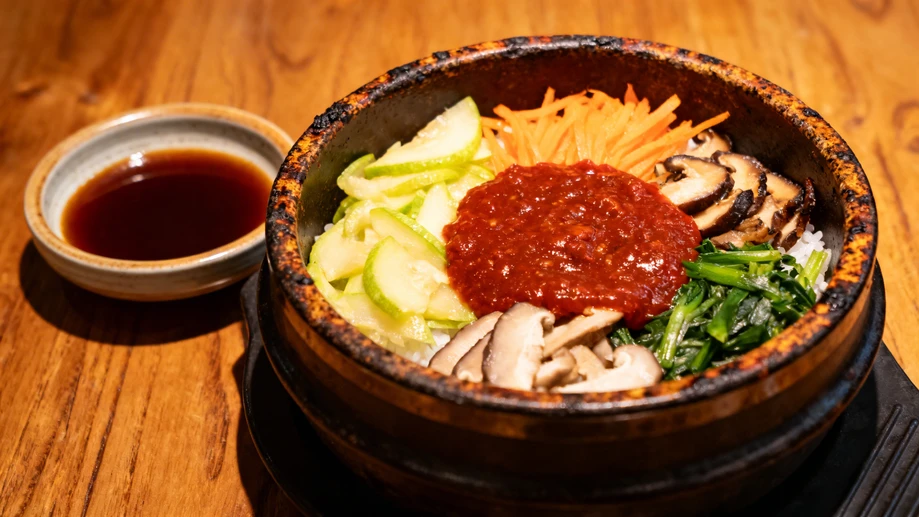
Picture this: you're at a cozy Korean restaurant, eagerly anticipating that sizzling stone bowl arriving at your table. The colorful array of vegetables, lean protein, and that irresistible fried egg promise a wholesome meal. But here's the uncomfortable truth – your bibimbap might be stealthily packing more sugar than a candy bar while you innocently mix that vibrant gochujang sauce throughout. The very ritual that makes this dish so satisfying could be its nutritional downfall.
Most health-conscious eaters focus on the obvious heroes – spinach, carrots, shiitake mushrooms, and bean sprouts bursting with vitamins. Yet they overlook the villain hiding in plain sight: that generous ladle of glossy red sauce. Traditional bibimbap sauce often contains shocking amounts of sugar and sodium, with some commercial versions loading up to 15 grams of sugar per two-tablespoon serving. When you enthusiastically blend it through the entire bowl, you're essentially bathing every nutritious ingredient in a sweet, salty glaze that negates their benefits.
Restaurants compound this problem by serving sauce in unlimited portions alongside massive rice bases. That beautiful stone bowl? Its thick walls encourage enormous rice portions that can triple standard serving sizes before you even add toppings. The result? What starts as a balanced 600-calorie meal can balloon to 1,200 calories when drowned in sauce and piled with extra rice – equivalent to eating two Big Macs disguised as health food.
But don't abandon your beloved bibimbap just yet! The solution lies in strategic ordering and mixing techniques. Always request sauce on the side and use just one teaspoon to start, tasting before adding more. Push half the rice to the edge before mixing to instantly reduce your carb load while still enjoying the crispy bits. Smart diners ask for extra vegetables instead of extra rice, transforming the bowl into a fiber-rich powerhouse that keeps you full for hours without the sugar crash.
For maximum nutrition, embrace the layered approach rather than thorough mixing. Keep sections of vegetables relatively sauce-free to preserve their crunch and vitamin content. Let the egg yolk create natural creaminess instead of relying on excess sauce. When prepared mindfully, bibimbap becomes the ultimate customizable meal – a vibrant palette where you control the nutritional balance with every intentional bite.