
5 Myths About Korean Spicy Rice Cakes Debunked for Good
Editorial Team
VerifiedSenior Correspondent
5 Myths About Korean Spicy Rice Cakes Debunked for Good
Think you know everything about tteokbokki? Discover the surprising truths behind common misconceptions that might be holding you back from enjoying this delicious dish.
Korean spicy rice cakes, known as tteokbokki, have exploded in popularity worldwide, thanks to social media buzz and the global K-wave. You've probably seen mouth-watering videos of chewy rice cakes drenched in fiery red sauce, tempting you to grab a bite. Yet, amidst the hype, several persistent myths circulate, turning some food lovers away without a fair chance. Let's cut through the noise and explore why these beliefs are often exaggerated or downright false, starting with the most widespread one about unbearable heat. Many newcomers avoid tteokbokki after hearing horror stories of it being impossibly spicy, but this overlooks a key reality: in most Korean eateries and home kitchens, you can easily adjust the spice level. For instance, street vendors often ask customers to choose from mild, medium, or hot options, allowing you to tailor the dish to your comfort zone.
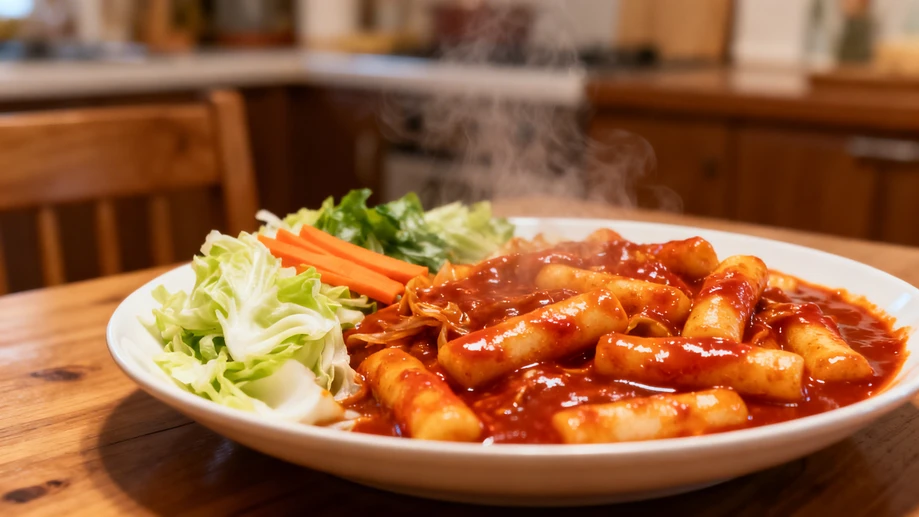
In addition to the spice scare, another common fallacy is that tteokbokki is an unhealthy indulgence packed with calories, making it a guilty pleasure best avoided. This idea stems from its rich, thick sauce, but it ignores the nutritional balance built into the recipe. Authentic tteokbokki combines chewy rice cakes with vegetables like cabbage and carrots, providing fiber and vitamins. Plus, the sauce often uses gochujang (fermented chili paste), which contains probiotics beneficial for gut health. When prepared moderately, it's no less nutritious than any comforting meal, and homemade versions let you control ingredients like adding lean proteins or reducing sugar. Consequently, viewing it as solely junk food misses how it fits into balanced diets, especially as a shared snack in social settings.
Moving beyond health concerns, some assume tteokbokki is too specialized for the average home cook, requiring complex skills or rare ingredients. This perception can deter people from trying it in their own kitchens, but modern adaptations make it surprisingly accessible. In reality, basic tteokbokki recipes use common pantry items like soy sauce, garlic, and sesame oil, with rice cakes readily available in Asian supermarkets or online. Even better, quick stovetop methods involve simmering everything in a single pan for under 20 minutes—perfect for weeknight dinners. For example, many busy families whip it up by sautéing store-bought rice cakes with sauce and veggies, turning it into a fuss-free comfort food that rivals takeout. This simplicity shows that it's far from a chef-only challenge, empowering anyone to experiment safely.
Another misleading myth is that tteokbokki is only a spicy street food, ignoring its versatility in adapting to diverse palates and occasions. While it's often associated with fiery street stalls, Korean cuisine offers non-spicy variations, such as "gungjung tteokbokki" made with soy-based sauce for a milder, savory flavor. These versions cater perfectly to those with spice sensitivities or kids, proving that the dish evolves with cultural needs. In fact, during festivals or family gatherings, it's common to see milder renditions served alongside traditional banchan (side dishes), highlighting its role beyond just heat-based indulgence. This adaptability ensures it's not pigeonholed but enjoyed year-round in various forms, from cozy winter meals to light summer snacks.
Despite these clarifications, a final misconception persists: that tteokbokki is overly filling and carb-heavy, unsuitable as a light bite. Yet, portion control transforms it into a flexible option, whether as a shared appetizer or a standalone small plate. In Korean culture, it's typically served in modest quantities, often paired with other dishes to create a balanced spread. Restaurants frequently offer mini-portions or incorporate it into bowls with greens and proteins for a nutrient-dense meal. By mastering simple tweaks like using fewer rice cakes or bulking up with veggies, it becomes a guilt-free treat that fits into any diet plan without sacrifice.
Ultimately, debunking these myths opens the door to fully appreciating tteokbokki's charm, from its customizable spice to its wholesome ingredients. Next time you're at a market or scrolling through recipes, remember that fear of spiciness or perceived complexity shouldn't deter you. Give it a try with a mild version or a home-cooked batch—you might just discover a new favorite comfort food that's both delicious and approachable. Sharing this dish with friends can spark conversations about cultural nuances, making it a fun, educational experience. So, go ahead and embrace the real tteokbokki, free from outdated beliefs, and savor every chewy, flavorful bite.