
Is Tteokbokki Secretly Your Gut's Worst Enemy or Best Friend?
Editorial Team
VerifiedSenior Correspondent
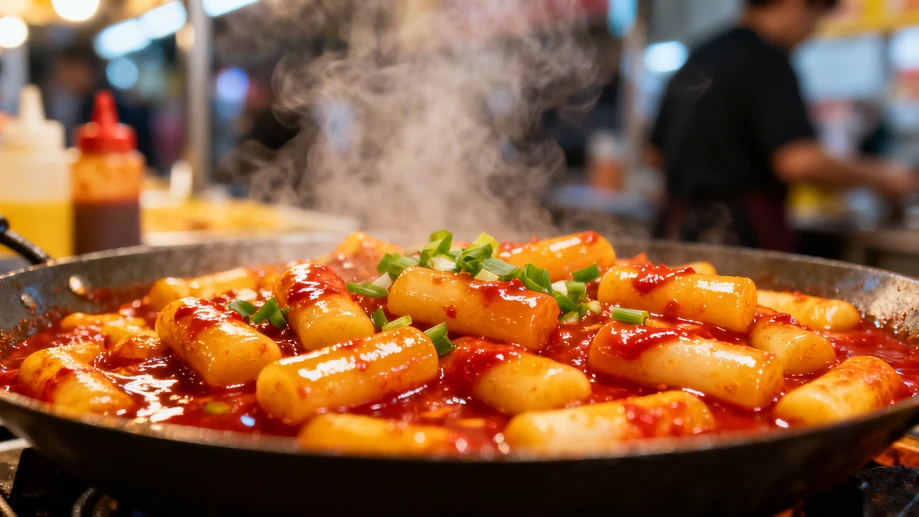
Is Tteokbokki Secretly Your Gut's Worst Enemy or Best Friend?
Let's demystify the fiery Korean staple and discover why your digestion might thank you for that spicy plate
Picture this: you're huddled at a street food stall on a chilly evening, steam rising from a crimson-hued plate of chewy rice cakes swimming in gochujang sauce. That iconic scene captures Korea's soul-warming comfort food – tteokbokki. Yet many avoid its vibrant allure, haunted by rumors of digestive doom.
Here lies the biggest misconception: that all fiery foods like tteokbokki inevitably wreak havoc on your stomach lining. The truth? Capsaicin – the compound giving chili peppers their kick – actually stimulates protective mucus production in your gut when consumed moderately. Researchers in food science journals note this unexpected protective mechanism forms a barrier against acid damage.
Transitioning to practical wisdom, regular tteokbokki lovers hold the real secret. Korean grandmothers insist the magic lies in pairing the spice with fermentation powerhouses like kimchi. That tangy sidekick provides probiotics which balance gut flora. Suddenly, your spicy indulgence becomes a symbiotic feast where fermentation and spice collaborate rather than clash.
Consider portion frequency too. While inhaling giant servings daily spells trouble, moderate consumption allows your body to build tolerance. Dietitians observe how regular exposure trains your gut's TRPV1 receptors to handle capsaicin more efficiently. Think marathon training – but for your digestive resilience.
Ironically, the overlooked danger isn't the spice but the sticky rice cakes themselves. Those delightfully chewy cylinders become digestion saboteurs when eaten too quickly. Their dense texture requires thorough chewing – a step hurried office workers skip. Result? Rice cakes arrive in stomach lumps like edible bricks rather than broken-down fuel.
For sensitive stomachs, the solution lives in preparation. Simmering tteokbokki longer softens rice cakes into digestible pillows while dispersing capsaicin evenly. Adding shredded carrots or zucchini introduces soluble fiber that forms protective gels around spicy compounds. This culinary armor lets even IBS sufferers join the feast.
Ultimately, tteokbokki's gut relationship mirrors life – about balance and wisdom. When respected through mindful pairing and portion control, this vibrant dish transforms from feared foe to comforting ally. Your chopsticks hold the power to turn that crimson bowl into a celebration your whole digestive system applauds.