
Is Your Tom Yum Soup Actually Making You Healthier? Think Again!
Editorial Team
VerifiedSenior Correspondent
Is Your Tom Yum Soup Actually Making You Healthier? Think Again!
The surprising truth about that spicy broth in your bowl and what science really says about its benefits.
Picture this: it’s a rainy Tuesday, you’re feeling a bit under the weather, and you order a steaming bowl of tom yum soup for lunch. You’ve heard it’s packed with immune-boosting ingredients, so you slurp it down feeling virtuous, convinced those lemongrass stalks and chili flakes are your personal health warriors. But hold on – is that vibrant, tangy broth truly the superfood elixir you believe it to be? Let’s dive into the murky waters of common tom yum health claims and separate the spicy facts from the flavorful fiction.
One of the biggest myths swirling around tom yum like a stray kaffir lime leaf is the idea that "the spicier, the better" for detoxification and metabolism. Many people pile on extra chilies or request "Thai spicy," believing the intense heat burns more calories or purges toxins faster. While capsaicin in chilies does have a mild thermogenic effect (meaning it can slightly increase calorie burn) and some anti-inflammatory properties, the key word is "mild." The amount needed to see significant metabolic changes is far beyond what’s palatable or safe in a single bowl of soup. Overloading your tom yum with chilies primarily risks stomach upset, acid reflux, or numbing your taste buds, not turbocharging your detox. True benefits come from consistent, moderate consumption, not fiery punishment.
Another common misconception involves the creamy version, Tom Yum Nam Khon. People often shun it, fearing the coconut milk adds unhealthy saturated fat and unnecessary calories, making the clear broth (Tom Yum Nam Sai) the automatic "healthier" choice. This overlooks crucial nuance. While coconut milk is calorie-dense, it contains medium-chain triglycerides (MCTs), fats that are metabolized differently than long-chain fats found in animal products. MCTs are readily used for energy and may even support feelings of fullness. Furthermore, the fat in coconut milk helps your body absorb the fat-soluble vitamins (like Vitamin A from the shrimp and tomatoes) and potent antioxidants (like lycopene) present in the soup. Choosing the clear broth means missing out on this vital nutrient synergy. Moderation is key, not complete avoidance.
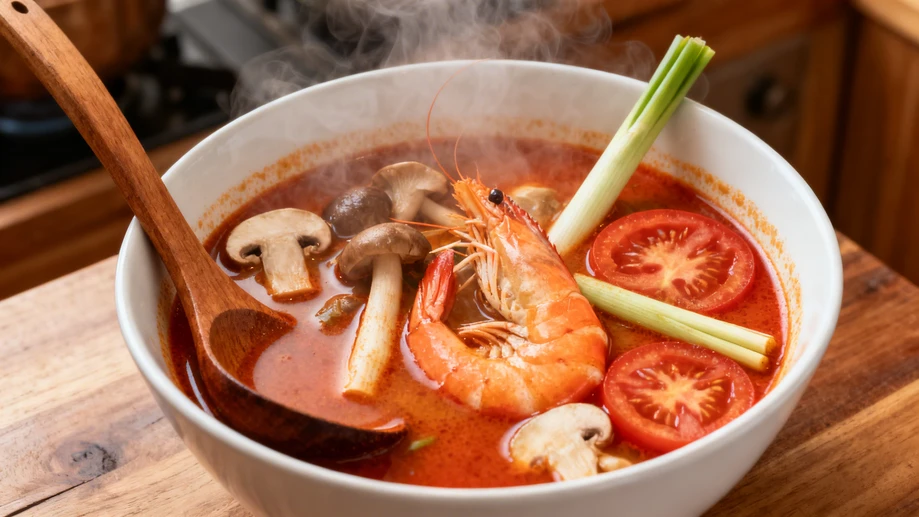
Then there’s the belief that the soup’s primary health magic lies solely in its obvious stars: lemongrass, galangal, and kaffir lime leaves. While these are indeed powerhouses – lemongrass has antioxidants and antimicrobial properties, galangal is a potent anti-inflammatory related to ginger, and kaffir lime leaves are rich in compounds supporting cellular health – the unsung heroes are the humble mushrooms and tomatoes. The mushrooms (typically straw or oyster mushrooms) provide beta-glucans, known for immune-modulating effects, and are a great source of B vitamins and selenium. Tomatoes contribute lycopene, a powerful antioxidant linked to reduced risk of certain chronic diseases, whose absorption is significantly enhanced by the soup’s heat and the presence of fat (especially in the creamy version). Ignoring these ingredients means underestimating tom yum’s true nutritional orchestra.
Perhaps the most persistent myth is that tom yum soup, especially the spicy clear version, is a guaranteed cure-all for colds or flu. While the steam can help clear sinuses, the warmth is soothing, and ingredients like garlic, chilies, and herbs have antimicrobial and anti-inflammatory properties, it’s not a magic bullet. Hydration and rest are still paramount when fighting illness. Relying solely on tom yum while neglecting fluids or pushing through sickness won’t speed recovery. Think of it as a supportive, comforting ally in your recovery toolkit, packed with beneficial compounds, rather than a standalone pharmaceutical replacement. Its real strength lies in its potential to support overall immune function as part of a balanced diet, not as an acute illness eraser.
So, the next time that aromatic bowl arrives, enjoy its complex flavors and genuine benefits without falling for the hype. Appreciate the synergy of its ingredients – the fat-soluble vitamins boosted by coconut milk, the antioxidants from tomatoes and herbs, the immune-supporting mushrooms, and the gentle warmth of the spices. Don’t torture your palate seeking mythical detox levels of spice, and don’t fear the coconut milk if you enjoy the creamier version occasionally. The real health power of tom yum comes from savoring it as part of a varied and balanced diet, recognizing it as a delicious, nutrient-dense comfort food with scientifically-backed advantages, not an overhyped miracle cure in a bowl. Enjoy the tang, the heat, and the comfort, knowing the facts behind the flavor.