
Is Your Pizza Secretly Packing Nutrients? Busting the Junk Food Myth
Editorial Team
VerifiedSenior Correspondent
Is Your Pizza Secretly Packing Nutrients? Busting the Junk Food Myth
Discover how this beloved comfort food can actually boost your health when you choose the right toppings wisely.
Picture a cozy Friday night: you're gathered with friends around a steaming pizza box, the aroma of melted cheese and tangy tomato sauce filling the air as laughter echoes through the room. It's a scene that plays out in homes worldwide, yet many of us feel a twinge of guilt, convinced that indulging in pizza means sacrificing our health goals. This common belief stems from years of labeling pizza as a "junk food" villain, high in calories and low in nutritional value, but the reality is far more nuanced and surprisingly positive. In fact, with a few smart choices, that slice can become a delicious part of a balanced diet, turning what seems like a guilty pleasure into a nourishing treat.
One of the biggest misconceptions about pizza is that it's inherently unhealthy due to its high fat and calorie content, leading people to avoid it entirely or binge with regret. This myth often arises from fast-food versions loaded with processed meats, extra cheese, and thick, greasy crusts, which can indeed contribute to weight gain and other issues if consumed excessively. For instance, a typical pepperoni pizza might deliver over 300 calories per slice with minimal fiber, reinforcing the idea that all pizzas are dietary disasters. However, this overlooks the incredible flexibility of pizza as a canvas for wholesome ingredients, transforming it from a nutritional black hole into a potential powerhouse of vitamins and minerals.
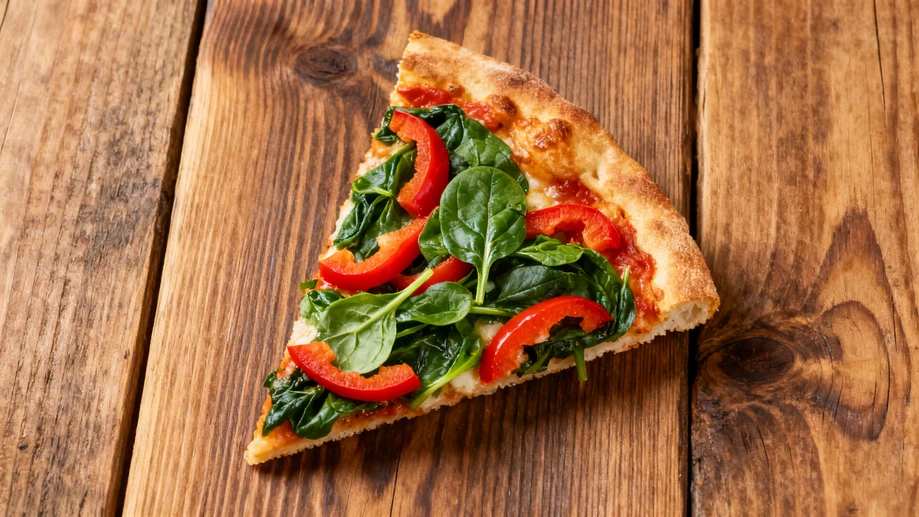
Contrary to popular belief, pizza can be a fantastic source of essential nutrients when crafted with care, especially if you opt for homemade or artisanal versions that prioritize fresh, whole foods. Start with a whole-grain crust for a fiber-rich base that supports digestion and keeps you full longer, then layer on a vibrant tomato sauce packed with lycopene—an antioxidant linked to heart health. Swap out fatty meats for lean proteins like grilled chicken or plant-based alternatives, and pile on colorful vegetables such as spinach, bell peppers, and mushrooms to add vitamins A, C, and K without extra calories. Even the cheese can be a win if you choose part-skim mozzarella for a calcium boost while keeping saturated fat in check. This approach not only cuts down on empty calories but also turns each bite into a balanced meal that fuels your body.
To make this health shift work in real life, focus on simple, practical tweaks that fit seamlessly into your routine, like preparing a veggie-loaded pizza for family dinners or ordering thin-crust options with extra greens when dining out. By doing so, you'll not only debunk the junk-food label but also enjoy benefits like improved energy levels and better nutrient intake without feeling deprived. After all, pizza's true magic lies in its adaptability; it's a universal comfort that, when handled mindfully, can bring joy and wellness to any table.