
The Secret to Rescuing Your Frozen Pizza from Soggy Despair
Editorial Team
VerifiedSenior Correspondent
The Secret to Rescuing Your Frozen Pizza from Soggy Despair
Unlock perfectly crisp crust and gooey cheese every time with this counterintuitive kitchen hack.
We've all been there. It's late, you're hungry, and the siren song of that frozen pizza in your freezer is irresistible. You rip off the plastic, follow the box instructions (usually involving a microwave or a quick oven blast), and wait with bated breath. But what emerges? A sad, floppy disc with a crust resembling cardboard and toppings swimming in a lukewarm, greasy puddle. Disappointment on a baking sheet. That convenient meal suddenly feels like a culinary compromise you shouldn't have to make.
Conventional wisdom often points straight to the microwave for speed. Pop it in, hit a few buttons, and bam – hot pizza in minutes. But this is where the soggy tragedy begins. Microwaves work by exciting water molecules, essentially steaming your food from the inside. While this heats the toppings and cheese rapidly, it does absolutely zero favors for the crust. Instead of crisping up, the crust absorbs all that released moisture, turning limp and rubbery. The cheese might melt, but it often does so unevenly, becoming greasy or tough in patches. The result is a textural nightmare that barely resembles the glorious pie pictured enticingly on the box.
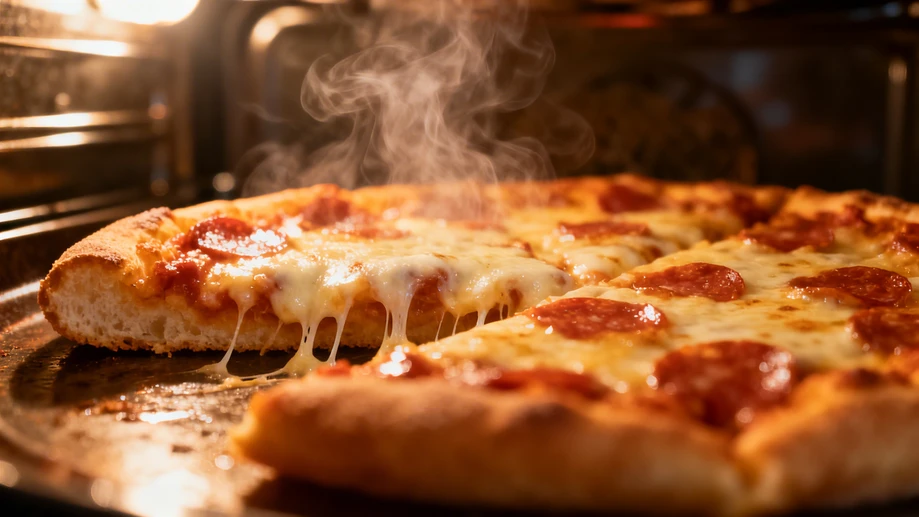
Here's the counterintuitive trick the pros know: Skip the microwave entirely for the main event. Your oven, preheated properly, is your frozen pizza's best friend, but with a crucial twist. Most instructions tell you to place the pizza directly on the oven rack or a baking sheet. This is good, but not quite enough to guarantee crispness. The real game-changer? Start your pizza on the bottom rack. The intense heat radiating from the oven floor hits the crust first and hardest, kickstarting that essential crisping process right from the get-go. This initial blast creates a barrier, helping to prevent moisture from the toppings seeping down and ruining your crunch.
But wait, there's more! About halfway through the cooking time listed on the box, perform a simple maneuver: slide a baking sheet or, even better, a preheated pizza stone or steel, onto the rack just below the pizza. This acts like a heat shield and a secondary heat source. It reflects intense heat upwards, ensuring the bottom of the crust gets an extra dose of direct, radiant heat to finish crisping perfectly. Simultaneously, it catches any rogue drips of cheese or sauce, preventing smoky messes and making cleanup a breeze. This two-level approach mimics the intense, direct heat of a professional pizza oven.
What if you don't have an oven, or it's broken, or you truly only have minutes? There *is* a stovetop method that outperforms the microwave. Grab a non-stick skillet with a lid. Place the frozen pizza slice directly in the cold skillet. Put the lid on and turn the heat to medium-low. The lid creates a mini-oven, trapping heat and gently melting the cheese and warming the toppings. After about 5-7 minutes, once the cheese is mostly melted, remove the lid. Now, crank the heat up slightly and let the bottom crisp up directly on the skillet for another 2-3 minutes. You get melty toppings and a surprisingly crisp bottom crust – a far cry from microwave mush. It’s not quite oven perfection, but it’s a solid rescue mission.
Mastering frozen pizza isn't about fancy ingredients; it's about understanding heat and moisture. Ditching the microwave's steam bath and harnessing your oven's full potential with strategic rack placement and a heat shield transforms a potential letdown into a reliably satisfying, crispy-edged, cheesy delight. That humble freezer staple deserves better than sogginess. Give it the heat it craves, and it will reward you handsomely.