
Discover the Shocking Pizza Myth That's Been Fooling Health-Conscious Eaters for Decades!
Editorial Team
VerifiedSenior Correspondent
Discover the Shocking Pizza Myth That's Been Fooling Health-Conscious Eaters for Decades!
Uncover the truth behind the biggest misconception about pizza and why it's time to rethink that guilty slice on your plate forever.
Picture this: it's Friday night, you're gathered with friends for a cozy movie marathon, and a steaming hot pizza arrives at the door. As you reach for that first cheesy slice, a familiar pang of guilt hits—after all, everyone knows pizza is just empty calories and junk food, right? This belief is so ingrained in our culture that it's become a default excuse for skipping the treat or feeling ashamed after indulging. But what if I told you this whole narrative is built on a massive myth that's been distorting our view of pizza for years? It's time to peel back the layers and see why this common assumption is not just misleading, but downright wrong.
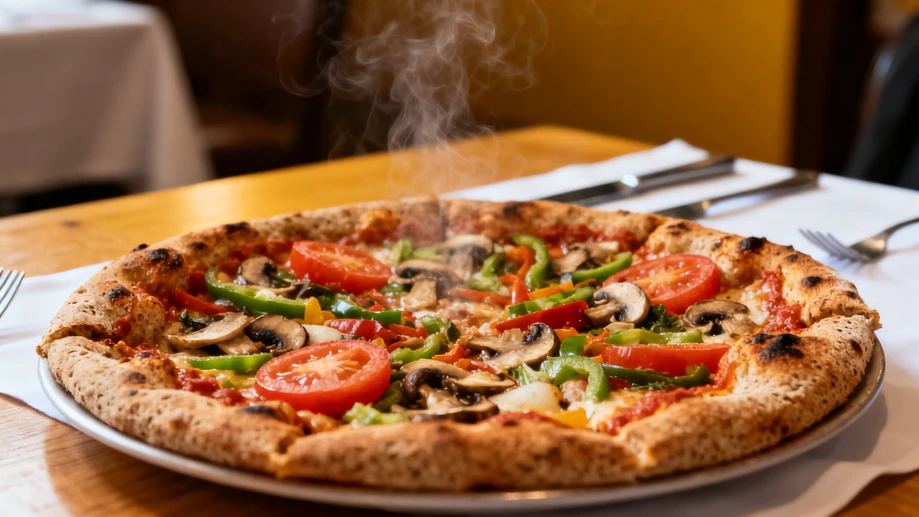
For starters, the core misconception revolves around the idea that pizza is inherently unhealthy, packed with nothing but fat, salt, and refined carbs that sabotage any diet. This myth likely stems from fast-food versions that dominate the market, where oversized slices loaded with processed meats and extra cheese create a calorie bomb. However, this overlooks the incredible versatility of pizza as a dish. In reality, a well-crafted pizza can be a nutritional powerhouse, especially when made with whole-grain crusts, fresh vegetables like spinach and tomatoes, and lean proteins such as grilled chicken. Studies show that these ingredients provide essential vitamins, fiber, and protein, turning a simple pie into a balanced meal that supports heart health and energy levels without the guilt.
Transitioning to why this myth persists, it's largely fueled by media portrayals and quick-fix diet trends that villainize carbs and fats. Headlines scream about "pizza belly" or "cheat day disasters," reinforcing the idea that one slice equals instant regret. Yet, this ignores the cultural and historical context: pizza originated as a peasant food in Italy, designed to be affordable and nourishing with simple, local ingredients. In modern times, the rise of commercial chains has amplified the unhealthy image, but that doesn't define all pizza. For instance, homemade or artisanal versions often use olive oil instead of butter and focus on seasonal produce, making them just as wholesome as a salad bowl but far more satisfying.
So, how can you turn this myth-busting knowledge into action for your next pizza night? Begin by evaluating your toppings—swap out pepperoni for mushrooms or bell peppers to slash saturated fat and boost antioxidants. Opt for thin crusts made from whole wheat to increase fiber intake, helping you feel fuller longer. Even portion control plays a role; eating one or two slices with a side of greens transforms it from a binge into a mindful feast. This approach not only debunks the "junk food" label but also empowers you to enjoy pizza as part of a varied, healthy lifestyle without unnecessary restrictions.
In the end, dismissing pizza as unhealthy is like judging a book by its cover—it misses the rich story beneath. By embracing the facts, you can savor every bite without fear, knowing that this beloved comfort food can be tailored to fit your wellness goals. So go ahead, order that pie and share this revelation: pizza isn't the enemy, the myth is. After all, life's too short for food guilt when the truth tastes this delicious.