
Is Your Stomach Secretly Betraying You Every Time You Drink Milk?
Editorial Team
VerifiedSenior Correspondent
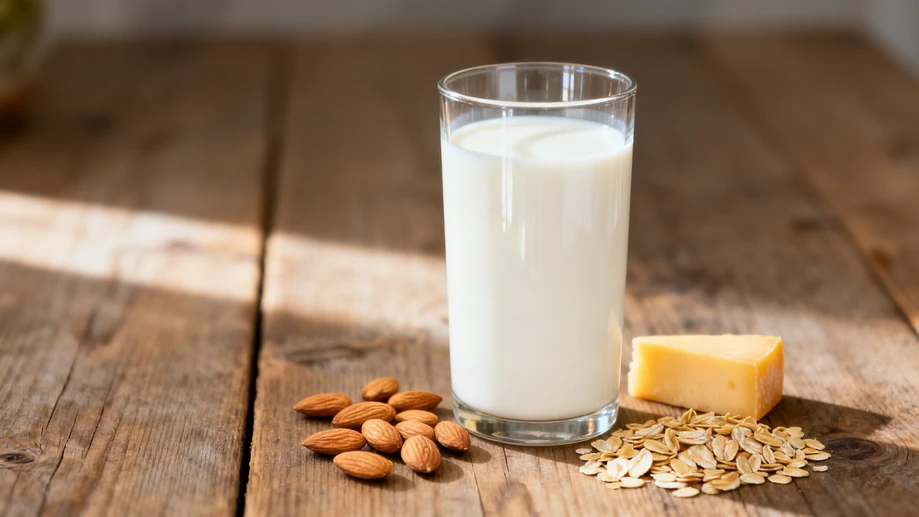
Is Your Stomach Secretly Betraying You Every Time You Drink Milk?
Unraveling the truth about lactose intolerance and why complete dairy avoidance might be overkill for most people.
Picture this: a refreshing glass of cold milk turns into bloating, rumbling, and urgent sprints to the bathroom. For millions worldwide, this isn't drama, it's Tuesday. We've been taught that milk equals discomfort for anyone with lactose intolerance, a condition affecting roughly 65% of the global adult population. But what if the narrative we've swallowed whole is only half true? What if banning all dairy might actually be doing your body a disservice? The reality of lactose intolerance is far more nuanced than simple avoidance, demanding a strategy beyond just 'nope, no milk'.
Contrary to popular belief, lactose intolerance doesn't mean your body can't handle any lactose whatsoever. It means your small intestine produces less lactase, the enzyme needed to break down lactose (milk sugar). Most people retain some lactase activity, allowing them to digest small to moderate amounts of lactose spread throughout the day. This key distinction is often missed. Completely eliminating milk might seem like the only solution, but it risks missing out on vital nutrients like calcium, vitamin D, potassium, and high-quality protein readily available in dairy. The gut microbiome also adapts; regular, small exposures can sometimes improve tolerance over time. It's less about absolute incapacity and more about finding your personal 'dairy threshold'.
Instead of dreading the dairy aisle, arm yourself with smart consumption tactics. Start with small amounts – perhaps a quarter cup of milk with oatmeal or a small slice of cheese. Consume milk alongside other foods, especially fats or proteins, to slow digestion and ease the burden on lactase. Timing is crucial; a latte with breakfast might sit better than a large glass before bed. Experiment with different dairy products. Hard aged cheeses (like cheddar or Swiss) and natural yogurts with live cultures contain significantly less lactose than a glass of fresh milk. Look for lactase-enzyme drops or tablets taken just before consuming dairy; they work wonders for many. Even choosing lactose-free milk, which is simply real milk with the lactase enzyme added, provides all the benefits without the digestive drama.
Understanding your individual tolerance is essential. Notice how your body reacts after consuming different types and amounts of dairy. Keep a simple food journal: note what you ate, how much, and any symptoms. This personalized data is gold. People vary wildly in their sensitivity – some manage yogurt but not milk, others handle cheese perfectly. Don't compare your gut to others. Additionally, consider other underlying conditions. Irritable bowel syndrome (IBS) or certain food sensitivities can mimic lactose intolerance symptoms, making accurate self-diagnosis tricky. If symptoms are severe or persistent, consulting a healthcare professional is wise for proper diagnosis and guidance. Blindly eliminating entire food groups isn't a sustainable or nutritionally sound strategy.
The takeaway isn't to force milk down if it truly hurts you. It's realizing that lactose intolerance is rarely an all-or-nothing prison sentence for dairy lovers. By embracing small doses, strategic pairing, and smart product choices, millions can reintroduce the creamy goodness and nutritional powerhouse of dairy into their lives without the dreaded aftermath. Listen to your body, experiment carefully, and reclaim your place at the table – perhaps with a small, satisfying glass of milk in hand. The path to dairy tolerance might be narrower than you thought, but it's often navigable with patience and the right approach.