
Unveiling the Milk Myth That Could Be Harming Your Bones!
Editorial Team
VerifiedSenior Correspondent
Unveiling the Milk Myth That Could Be Harming Your Bones!
Discover the surprising truth about how this everyday drink affects your skeleton and why you might be misinformed.
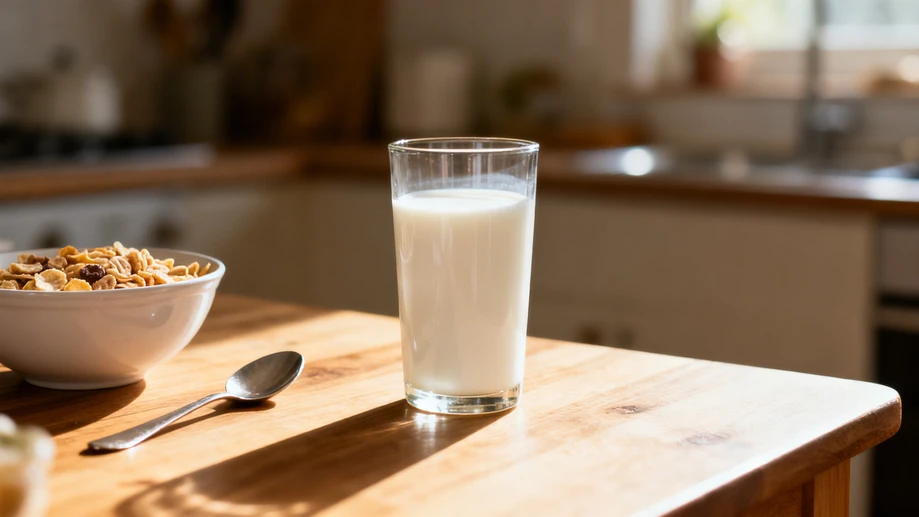
Picture this: you're starting your day with a refreshing glass of milk, convinced it's the ultimate bone-booster passed down through generations. Many of us grew up hearing that milk builds strong bones, thanks to its rich calcium content. But lately, whispers have spread that this creamy staple might actually be weakening our skeletons, leading some to ditch it entirely in favor of trendy alternatives. It's a common scene in kitchens worldwide, where confusion over milk's role in bone health has sparked debates and dietary changes. Yet, before you pour that carton down the drain, let's dive into the reality behind this widespread myth. After all, understanding the facts could save you from unnecessary health risks and help you make smarter choices for your body.
So, where did this idea that milk causes osteoporosis originate? It often stems from misinterpreted studies or anecdotal tales shared on social media. For instance, some reports highlight that populations with low milk consumption, like certain Asian communities, have lower osteoporosis rates. This correlation gets twisted into causation, suggesting milk is the culprit. Additionally, theories about milk's acidity causing calcium loss from bones have gained traction, despite being oversimplified. In reality, these claims ignore key factors like genetics, overall diet, and lifestyle habits. The myth thrives in online forums where quick soundbites overshadow scientific nuance, leaving many feeling anxious about their daily dairy intake. However, peeling back the layers reveals a more complex story rooted in misunderstanding rather than solid evidence.
Contrary to the fear-mongering, milk is packed with nutrients that actively support bone strength, not sabotage it. Calcium and vitamin D work together in milk to enhance bone density and prevent fractures, as shown by decades of nutritional research. Think of it like this: when you drink a glass, the calcium gets absorbed efficiently with vitamin D's help, fortifying your skeleton much like steel reinforces a building. Studies consistently link moderate milk consumption to reduced osteoporosis risk, especially in growing children and aging adults. For example, incorporating milk into meals—say, with cereal or in smoothies—provides a steady supply of these minerals, combating bone loss over time. This isn't just lab talk; it's practical advice backed by health experts who emphasize milk's role in a balanced diet. So, rather than fearing it, view milk as a reliable ally in maintaining your frame's integrity.
Why, then, does this myth persist so stubbornly? Part of the problem lies in how information spreads in the digital age. Viral posts often cherry-pick data without context, amplifying fears that milk is harmful. Meanwhile, cultural shifts toward plant-based diets add fuel to the fire, with some influencers pushing dairy-free narratives that overlook milk's benefits. This creates a ripple effect, where people cut out milk without considering individual needs, potentially missing out on essential nutrients. But here's the kicker: the science hasn't changed. Milk remains a cost-effective, accessible source of bone-building elements, and dismissing it based on myths could do more harm than good. Therefore, it's crucial to approach such claims with skepticism and seek reliable sources before altering your habits.
To navigate this safely, focus on personalized consumption rather than blanket avoidance. Most people can enjoy milk without issues, but it's wise to tailor intake based on age, activity level, and any existing conditions. For instance, active teens might benefit from an extra glass to support growth spurts, while older adults could use it to stave off age-related bone loss. If you're lactose intolerant, alternatives like fortified plant milks exist, but they often lack milk's natural synergy of nutrients. Ultimately, debunking this myth empowers you to reclaim milk as a simple, effective tool for skeletal health. So next time you reach for that carton, do it with confidence—knowing the truth might just keep your bones strong for years to come.