
Is Your Milk Giving You Strong Bones? The Calcium Myth You Need to Know
Editorial Team
VerifiedSenior Correspondent
Is Your Milk Giving You Strong Bones? The Calcium Myth You Need to Know
Discover why this common nutritional belief might be leading you astray and what really matters for your bone health
For decades, television commercials and nutrition pamphlets have shown smiling families drinking milk with taglines promising stronger bones and healthier lives. The message seems clear: milk equals calcium, calcium equals bone health. But what if this oversimplified equation doesn't hold up under scientific scrutiny? The relationship between milk consumption and bone strength turns out to be far more nuanced than most people realize.
Multiple large-scale population studies have revealed an unexpected pattern. Countries with the highest milk consumption like the United States and Sweden simultaneously report the highest rates of osteoporosis, while regions with lower dairy intake like Japan show significantly fewer bone fractures among the elderly. This counterintuitive pattern suggests something important: bone health depends on more than just calcium intake. Vitamin D levels, physical activity patterns, and overall dietary balance play equally crucial roles. Focusing solely on milk as a magic solution might actually distract us from other vital health considerations.
Why doesn't milk translate automatically to bone strength? Here's the catch: bones require not just calcium, but multiple nutrients working together. Magnesium helps with calcium absorption, vitamin K directs calcium to bones rather than arteries, and protein provides structural building blocks. An exclusively milk-focused approach often neglects these other essential components. Furthermore, our bodies can only absorb about 500mg of calcium at once – roughly the amount in one glass of milk – making excessive consumption less effective than many assume.
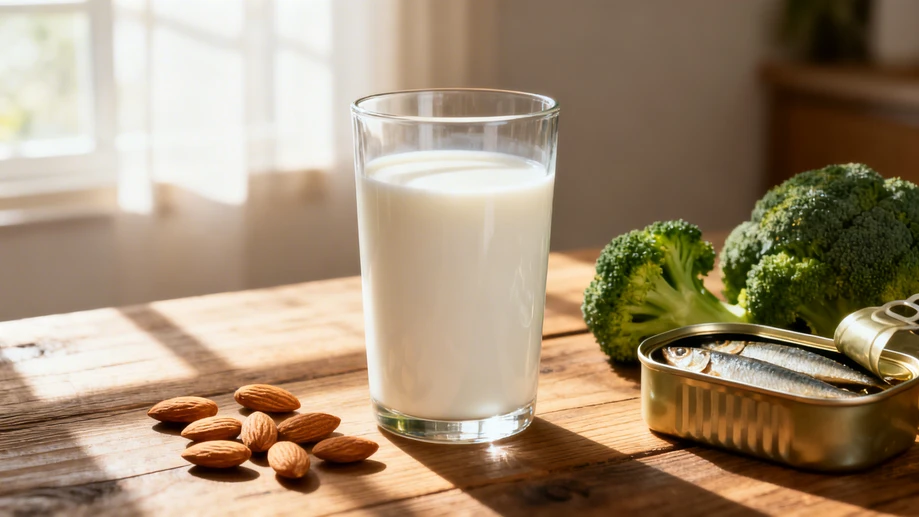
Practical solutions exist beyond the dairy aisle. For those concerned about bone health, weight-bearing exercises are non-negotiable for signaling bones to strengthen themselves. Calcium-rich alternatives like kale, broccoli and almonds offer additional benefits with phytonutrients not found in dairy. Tinned fish with edible bones provides both calcium and vitamin D. Simply taking a twenty-minute daily walk in sunlight dramatically improves vitamin D synthesis. The key isn't abandoning milk, but rather viewing it as one piece of a larger nutritional puzzle.
Rather than anxiously counting milk glasses, we should adopt a holistic approach to bone health. Regular strength training stimulates bone remodeling regardless of diet. Combining calcium sources with vitamin D-rich foods like mushrooms or egg yolks enhances mineral absorption. Limiting salt and caffeine helps prevent calcium leaching from bones. People with lactose intolerance needn't force themselves to drink milk when calcium-fortified alternatives exist. Ultimately, a varied diet coupled with movement creates stronger foundations than any single food ever could.