
Myth or Truth: Are Your Favorite Spanish Churros Actually Good for Breakfast?
Editorial Team
VerifiedSenior Correspondent
Myth or Truth: Are Your Favorite Spanish Churros Actually Good for Breakfast?
Unpacking the surprising misconceptions about Spain's iconic fried dough and why your morning routine might need a rethink
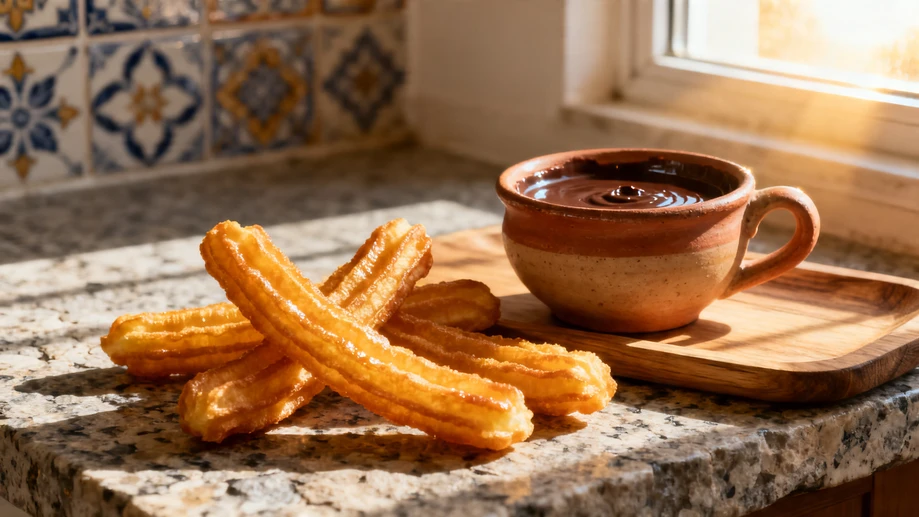
Picture this: you're strolling through a sunny Madrid plaza, drawn by the irresistible aroma of frying dough. A paper cone of golden churros lands in your hands, dusted with cinnamon sugar and promising crispy perfection. For millions, this isn't just a treat – it’s breakfast. Tourists and locals alike queue at churrerías as dawn breaks, believing they're participating in an authentic Spanish tradition. But here's the twist: churros' reputation as wholesome morning fuel is largely a modern myth.
What makes churros seem like reasonable breakfast material? Their simplicity fools us. Unlike syrup-drenched pancakes or buttery croissants, these ridged wands appear straightforward: just flour, water, salt, and oil. Yet that sizzling oil bath transforms them into calorie bombs – a single serving can pack over 400 calories and 22g of fat. Nutritionists confirm they're essentially empty carbs with minimal protein or fiber to sustain you. When nutrition tracker apps became commonplace, Spaniards were shocked to discover their "light" breakfast rivaled a cheeseburger's energy load. Suddenly, churros' place as everyday fuel became questionable.
The origin story explains everything. Authentic churros weren't designed for sunrise consumption. Shepherds created them as high-energy mountain rations – portable calories for grueling outdoor work. Their dense, starchy composition provided slow-burning fuel during frigid nights tending flocks. Centuries later, as Spain urbanized, churros became nocturnal indulgences. People devoured them after midnight fiestas or during pre-dawn returns from bars. That steaming cup of thick chocolate for dipping? It was intended to counteract alcohol, not kickstart mornings. The shift to breakfast happened gradually as 24-hour churrerías emerged, rebranding hangover food as morning comfort.
Modern science reveals another hidden pitfall. The standard churro's low protein content causes blood sugar spikes that leave you crashing by mid-morning. Compare this to traditional Spanish breakfasts like toast with tomato and olive oil, providing complex carbs and healthy fats. That explains why locals who eat churros daily often supplement them with protein-rich café con leche. Food anthropologists note an interesting pattern: Spaniards who maintain the original habit – enjoying churros occasionally as evening treats – show better metabolic health markers than daily breakfast consumers.
Does this mean banishing churros from morning rituals entirely? Absolutely not. Food historians urge moderation rather than deprivation. Think of them as weekend celebration foods, like French toast in other cultures. Contemporary churrerías now embrace this balance by offering whole-wheat options and fruit-based dips. Nutritionists suggest pairing smaller portions with yogurt or nuts to blunt sugar spikes. The key is respecting churros as joyous indulgence rather than false fuel – a philosophy Spaniards have perfected over centuries.