
Are You Secretly Sabotaging Your Spanish Garlic Bread with These Common Mistakes?
Editorial Team
VerifiedSenior Correspondent
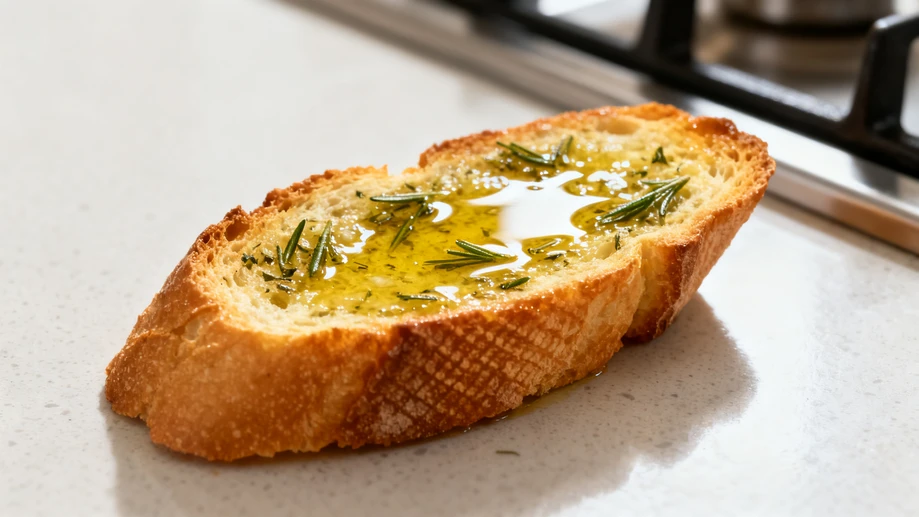
Are You Secretly Sabotaging Your Spanish Garlic Bread with These Common Mistakes?
Discover how everyday errors in preparation can ruin the authentic flavor and learn simple fixes to enjoy this dish perfectly.
Picture this: you're hosting a cozy dinner party, and you decide to whip up some Spanish garlic bread to impress your guests. You slice a baguette, slather it with butter and minced garlic, then pop it in the oven until golden. But when you serve it, the bread tastes bitter or overly greasy, and your friends politely nibble without raving. Sound familiar? This scenario is all too common because many home cooks fall for myths about this beloved appetizer, thinking it's as simple as throwing garlic on toast. In reality, Spanish garlic bread—known as "pan con tomate" or "pan al ajillo" in its authentic form—is a delicate balance of flavors that can easily go wrong if you're not careful. By debunking these misconceptions, you'll not only save your dish from disaster but also elevate your cooking skills for any gathering.
One major myth is that Spanish garlic bread is just regular garlic bread with a splash of olive oil. People often assume that adding a drizzle of oil makes it authentically Spanish, leading them to overload the bread with it. This results in a soggy, oily mess that masks the fresh, vibrant notes of garlic and herbs. In truth, traditional recipes emphasize quality over quantity: a light brushing of extra-virgin olive oil should enhance, not drown, the bread. For instance, in Spain, cooks use stale bread rubbed with ripe tomatoes first to create a moist base, then add garlic sparingly. If you skip this step and go straight for oil, you're missing the essence of the dish—it's like building a house without a foundation, where the flavors collapse under the weight of grease.
Another widespread error involves using raw garlic directly on the bread, which many believe intensifies the punchy flavor. Home chefs might mince fresh cloves and spread them thickly, only to end up with an acrid, burning taste that lingers unpleasantly. This happens because raw garlic contains compounds that turn bitter when exposed to heat, ruining the subtle harmony. Instead, authentic methods call for roasting or gently sautéing garlic first to mellow its bite. Imagine the difference: raw garlic shouts, while roasted garlic whispers sweet notes that blend seamlessly with herbs like parsley. By avoiding this pitfall, you transform your bread from a harsh assault to a smooth, aromatic delight that pairs beautifully with tapas or wine.
Now, you might wonder how to fix these mistakes without complicating your routine. It's easier than you think—start by toasting bread lightly to crisp it up, then rub it with a cut tomato for moisture. Next, infuse olive oil with roasted garlic and herbs in a pan over low heat before brushing it on. This simple tweak ensures the garlic cooks evenly, releasing its sweetness instead of bitterness. Plus, it adds a layer of depth that makes the dish feel restaurant-worthy. For example, on a busy weeknight, this method takes just 10 extra minutes but yields a crowd-pleaser that's far superior to quick fixes. Embracing these corrections not only rescues your garlic bread but also makes it adaptable for all, from kids who prefer mild flavors to adults seeking gourmet touches.
Ultimately, steering clear of these myths unlocks the true joy of Spanish garlic bread—it becomes a versatile, healthy-ish treat that's perfect for any occasion. When prepared correctly, it's not just about avoiding errors; it's about celebrating fresh, simple ingredients that shine. So next time you're in the kitchen, ditch the assumptions and try the authentic approach. You'll find that a little knowledge goes a long way in turning a potential flop into a star of your table, proving that great food doesn't have to be hard—it just needs to be done right.