
Is Your Garlic Bread Secretly Ruining Your Healthy Eating Goals?
Editorial Team
VerifiedSenior Correspondent
Is Your Garlic Bread Secretly Ruining Your Healthy Eating Goals?
Uncover the surprising truth about Spanish garlic bread myths and why it might not be as bad for you as you think.
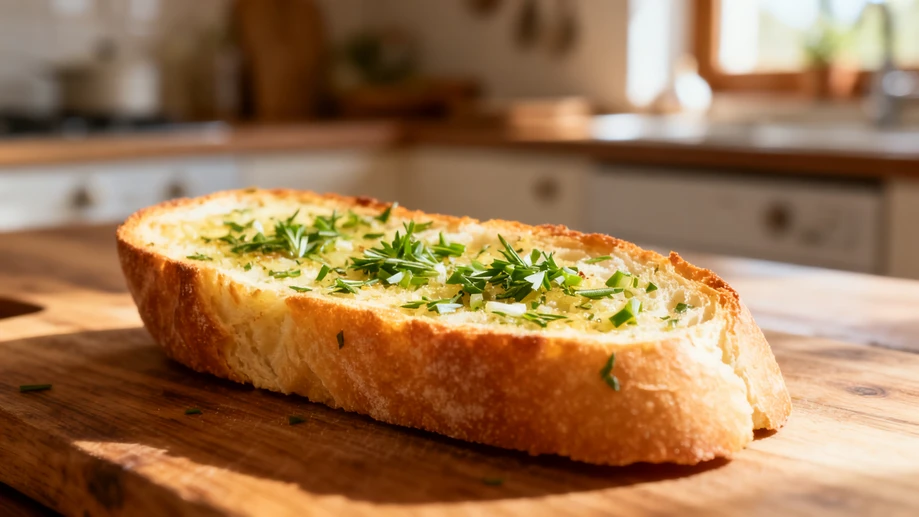
Picture this: you're at a cozy Spanish tapas bar, the air thick with the aroma of sizzling olive oil and roasted garlic, and a plate of golden-brown garlic bread arrives at your table. Instantly, your mind races with guilt—after all, you've heard it's a diet disaster, packed with empty calories and guaranteed to derail your fitness journey. This common belief is rooted in the idea that Spanish garlic bread, with its rich toppings, is inherently unhealthy, leading many health-conscious eaters to avoid it entirely. But is this fear justified, or is it just another food myth that's been blown out of proportion? In reality, this perception often stems from exaggerated claims on social media, where quick-fix diet tips paint all carb-heavy foods as villains. Yet, overlooking the nuances can mean missing out on a delightful culinary experience that, when enjoyed mindfully, fits perfectly into a balanced lifestyle.
One major misconception is that Spanish garlic bread is always a calorie bomb, destined to cause weight gain. People assume that because it's slathered in olive oil and garlic, it must be dripping with unhealthy fats. For instance, in everyday scenarios like family dinners or office potlucks, folks often skip the bread basket, whispering warnings about its "sinful" nature. This myth overlooks the fact that traditional recipes use high-quality ingredients like extra-virgin olive oil, which is rich in heart-healthy monounsaturated fats. Studies show that moderate consumption of such fats can actually support metabolism and reduce inflammation. So, while overindulging in any food can lead to issues, labeling garlic bread as universally bad ignores its potential benefits when prepared with care.
However, the real issue isn't the bread itself but how it's often consumed in excess or paired with unhealthy choices. Many diners mindlessly munch on multiple slices while waiting for their main course, or they drench it in processed cheeses and sauces, turning a simple snack into a calorie overload. This habit can stem from cultural norms—like in Spain, where it's common to share bread as an appetizer, leading to unintentional overeating. But here's the twist: when you savor just one or two pieces slowly, focusing on the flavors, you not only enjoy it more but also avoid the pitfalls. This mindful approach transforms garlic bread from a guilty pleasure into a satisfying part of a meal, proving that moderation is key rather than outright avoidance.
To make Spanish garlic bread work for you, start by preparing it at home with wholesome tweaks. Instead of using store-bought loaves loaded with preservatives, opt for fresh, whole-grain bread that adds fiber and nutrients. Rub the garlic lightly for a burst of flavor without excess oil, and toast it until crisp to enhance texture without frying. Pair it with protein-rich dishes, such as grilled vegetables or lean meats, to balance the meal and keep you full longer. This way, you're not just dodging myths; you're creating a delicious, health-conscious ritual that fits into busy weeknights or weekend gatherings. By shifting focus from fear to smart choices, garlic bread becomes a versatile ally in your culinary adventures.
Ultimately, the biggest myth about Spanish garlic bread is that it must be banned from a healthy diet. Embracing it as an occasional treat, rather than a forbidden fruit, allows you to relish its cultural charm without guilt. So next time that plate arrives, take a bite with confidence—it's all about balance, not deprivation.